
Start With Real-World Use and Site Needs
Consider your expected flow: busy parks with steady foot traffic require straightforward operation, while schools may need clear access for water bottle filling station students of different ages. Map typical routes so the unit sits where someone can approach, fill, and move on without bottlenecks. This planning reduces crowding and keeps the filling experience smooth.
Next, evaluate the physical conditions of the installation area. Check for consistent water pressure, proper drainage, and enough clearance for wheelchairs, strollers, and maintenance access. If the station will be outdoors, confirm that materials can handle weather, including temperature swings and moisture exposure. Paying attention to these site factors helps avoid costly retrofits later and supports long-term reliability.
Match Features to Safety, Convenience, and Maintenance
When comparing options, focus on practical features that affect daily reliability. Look for easy-to-use controls that minimize confusion, especially in public spaces where users come and go. A well-designed station should allow quick parks and rec drinking fountain filling with minimal splashing, so the area around the unit stays clean and safe. Adding clear signage and consistent placement can also reduce misuse and water waste.
Maintenance is often where performance is won or lost, so plan for it from the start. Choose components that are durable and simple to service, since staffing levels vary across facilities. Consider how filters or internal parts will be accessed and how frequently checks can be performed without disrupting operations. A dependable system supports routine inspection schedules and helps keep water delivery consistent.
Plan for Parks and Rec Drinking Fountain Integration
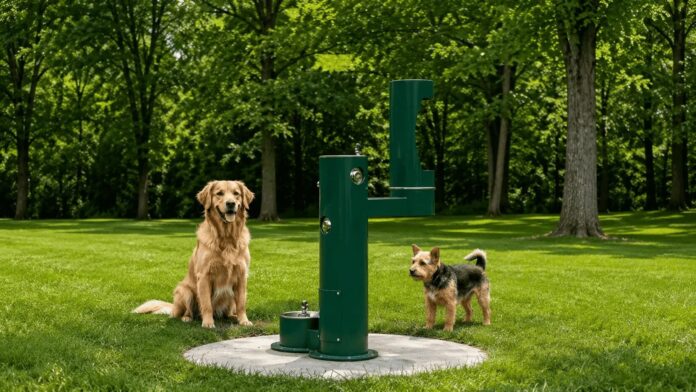
If your project involves parks and recreation infrastructure, treat the installation as part of an overall hydration network. Coordinate placement near walking paths, playgrounds, and rest areas where people naturally pause. This creates a logical experience that encourages hydration and reduces the distance visitors must travel to refill.
Think about user behavior and seasonal patterns without relying on guesswork. Place the unit where it remains visible from common gathering points, such as benches or event areas, and ensure there is safe footing around the touchpoints. For families, accessible reach height matters so children can fill bottles with minimal assistance. For facility teams, keeping the surrounding area manageable simplifies cleanup, especially after events or high-traffic days.
Conclusion
A practical approach to selecting and deploying a hydration solution starts with site assessment, feature alignment, and a clear maintenance plan. By prioritizing safe access, predictable operation, and service-friendly design, facilities can deliver consistent results for students, visitors, and staff. The Fountain Direct supports these practical needs with dependable hydration solutions built for schools, parks, businesses, and public facilities. When you evaluate your options, look for durability, thoughtful installation requirements, and straightforward support for project planning. The Fountain Direct can help streamline decision-making with competitive pricing and free shipping, making it easier to move from selection to installation. For teams building more resilient public amenities, choosing a well-matched system from The Fountain Direct is a smart step toward lasting community hydration.

