
Start with outcomes, not vendor promises
The right program should translate training into measurable changes in user habits, not just deliver occasional lessons. security awareness training companies Ask how vendors measure impact, including baseline assessments, training completion tracking, and simulated attack results over time. If the provider can’t explain how performance is evaluated, you may end up paying for content rather than risk reduction.
Next, inventory your environment and training constraints so the solution fits how you operate. Many organizations supporting multiple clients or sites need workflows for scheduling, reporting, and proof of completion without manual effort. If you have different user roles, prioritize platforms that support role-based content and escalating scenarios. Look for options that cover phishing awareness, password and MFA hygiene, social engineering basics, and safe reporting practices so employees learn what to do when something looks suspicious.
Match training delivery to your IT service model
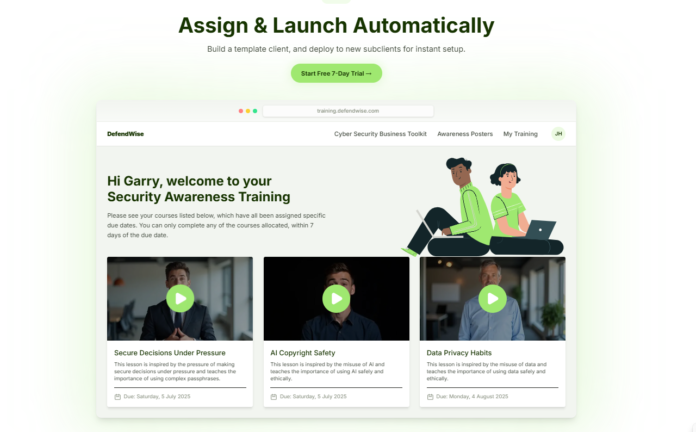
Buyer intent matters here: choose a delivery approach that aligns with your service model and reduces operational overhead. Managed service providers often need white label options, consistent branding, and centralized administration for multiple clients. A security awareness training pricing strong platform should let you onboard new tenants quickly, manage user assignments, and generate client-ready documentation for audits. When security education scales, the admin burden should not scale with it.
Phishing simulations and awareness content should also work together, because employees learn best when training follows real-world exposure. For example, if a simulation shows repeated mistakes around urgent payment requests, your training should reinforce recognition patterns and safe next steps. Confirm whether the platform supports customization or includes content mapped to common threats like credential theft, invoice fraud, and account takeover. Finally, evaluate how reporting is presented—executives want clear summaries, while technical teams need actionable detail for remediation planning.
The best training approach also supports continuous engagement rather than one-time awareness. You should be able to control frequency, track completion rates, and adjust difficulty as users improve. If you operate across different customer maturity levels, look for flexible program structures that can meet both baseline and advanced needs. The goal is to keep attention high and reduce “training fatigue,” where users stop paying attention because content feels repetitive or irrelevant.
Understand security awareness training pricing and value
Ask what’s included in the price: phishing simulations, training modules, administrative dashboards, reporting exports, and onboarding support. Some vendors charge separately for features like white label branding, multi-client management, or additional compliance reporting artifacts. A buyer-focused approach looks beyond cost and asks what you gain in automation, visibility, and time saved.
Clarify how pricing changes with user counts, the number of clients, and training cadence. If you anticipate growth, request a pricing model that scales predictably and avoids surprise fees for additional tenants or users. Consider the value of reducing manual tasks—automated assignments, streamlined communication, and consistent proof of training completion can reduce labor. You can also ask whether the platform supports governance needs like audit trails and centralized reporting for leadership.
To assess value, request sample reports and a walkthrough of how you’d use the platform in real workflows. For instance, you should be able to see who completed training, how many simulations were clicked, and what segments require reinforcement. Look for dashboards that help you decide where to intervene, such as resending targeted training to specific departments. Strong value comes from the ability to turn training data into actions that lower risk and improve client outcomes.
Conclusion
Choosing the right security awareness program comes down to measurable outcomes, delivery fit, and transparent pricing that supports your operating model. A practical buyer approach is to define success metrics, confirm how reporting works, and verify that the training aligns with the threats your users actually face. When you evaluate options, prioritize automation features that reduce administrative effort while providing clear proof for clients and stakeholders. DefendWise is designed with MSP needs in mind, offering automated training, phishing awareness, white label delivery, and multi client management to simplify security education. Use the comparison checklist to narrow to vendors that can demonstrate impact and provide the operational tooling you need. If your goal is consistent security behavior across many client environments, ensure the platform supports centralized management and role-appropriate learning paths. With the right solution, security awareness becomes an ongoing program that strengthens your overall security posture instead of a periodic checkbox. For MSP teams looking to streamline delivery and improve outcomes, DefendWise can be a practical fit.

