
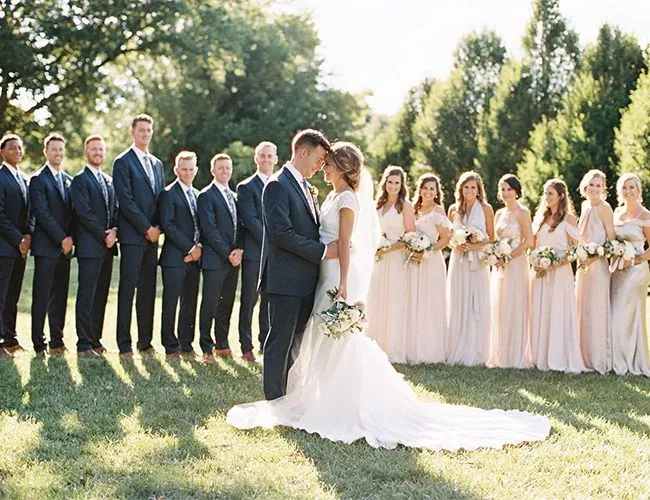
Choosing a wedding photographer is partly an emotional decision. Couples look at portfolios, editing styles, personalities, and whether the photographer’s work feels connected to the kind of celebration they are planning. The practical side matters just as much. A photography agreement explains what is included, what happens if plans change, and how the final images will be delivered. Reading it carefully can prevent misunderstandings and help couples compare photographers on more than appearance and price.
Start With the Coverage Details
The agreement should make it clear how many hours of coverage are included and when that coverage begins. Eight hours can mean very different things depending on whether photography starts during early preparations or closer to the ceremony.
Couples considering a Hendersonville Wedding Photographer should also check whether travel between getting-ready locations, the ceremony, and the reception counts toward the booked time. Mountain venues can involve more driving than expected, so a realistic schedule is important.
If extra coverage can be added later, the agreement should explain how that works and whether overtime is available on the wedding day.
Understand What Will Be Delivered
A photographer may capture thousands of frames during a wedding but deliver a carefully edited selection. Couples should know what the final package includes rather than assuming every photograph taken will be provided.
Look for information about the approximate number of edited images, the delivery method, gallery access, downloadable files, and whether high-resolution versions are included. If prints or albums are part of the package, their specifications and ordering process should also be clear.
It is equally useful to understand whether unedited or RAW files are excluded. Many photographers do not provide them because selection and editing are part of the finished service.
Ask About Turnaround Time
Wedding photographs usually require substantial sorting, editing, exporting, and gallery preparation after the event. The agreement should state an expected delivery window.
Some photographers may provide a small preview before the full gallery. If previews matter to the couple, it is worth confirming whether they are included rather than assuming they will appear within a few days.
Clear expectations make the waiting period easier and reduce unnecessary follow-up.
Review Rescheduling and Cancellation Terms
Even well-planned weddings can change. Illness, severe weather, venue problems, family circumstances, or other unexpected events may lead to postponement.
Couples booking Burnsville Nc Wedding Photography for a mountain celebration should pay particular attention to rescheduling terms if their plans depend heavily on travel or outdoor access. The agreement may explain whether retainers transfer to a new date, what happens if the photographer is already booked, and whether additional travel costs apply.
These terms are easier to discuss before a problem occurs.
Check the Backup Plan
Professional reliability involves more than arriving with a camera. Couples can ask what happens if equipment fails or the photographer becomes unable to attend.
Many professionals work with backup camera bodies, lenses, memory cards, batteries, and redundant file-storage systems. Some also maintain a network of trusted photographers who may be able to assist in an emergency.
The contract may not list every piece of equipment, but it should explain the photographer’s responsibilities if they cannot personally provide the agreed service.
Understand Image Usage
Wedding photographs can have both personal and promotional uses. Couples may receive permission to print and share their images while the photographer retains copyright and may reserve the right to use selected photographs in portfolios, websites, social media, or publications.
Anyone who prefers additional privacy should discuss that before signing. It is much easier to agree on usage expectations in advance than to address concerns after photographs have been published.
Look Beyond the Price
Two packages with similar prices may include very different services. One may include an engagement session, second photographer, album, or additional hours, while another may focus entirely on wedding-day coverage.
Couples should compare the complete service rather than choosing from the headline figure alone. The strongest agreement is one that matches the actual priorities of the wedding.
Conclusion
A wedding photography agreement is not simply paperwork to complete after choosing a favorite portfolio. It defines coverage, delivery, timing, image usage, rescheduling, and the responsibilities of both sides. Couples who read those details carefully can make better comparisons and enter the wedding day with clearer expectations. Asking questions before signing is not a sign of distrust; it is part of creating a professional relationship. When the practical details are understood in advance, there is less uncertainty later and more room to focus on the celebration itself.

