
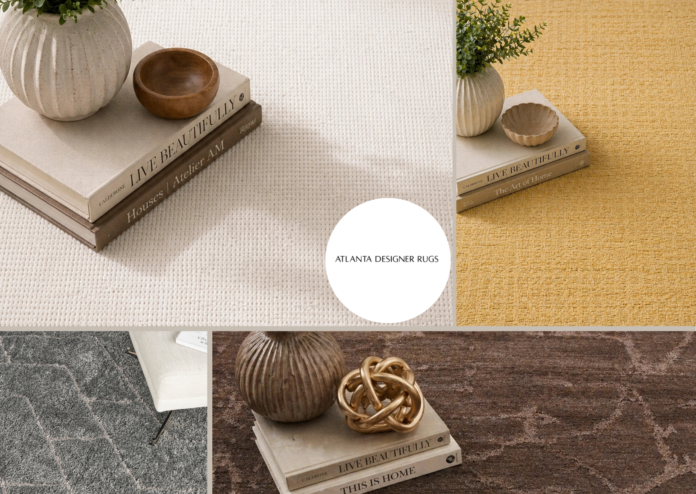
Why wool performs beautifully in real homes
Wool is a natural fiber known for comfort underfoot and lasting visual appeal, which is why it’s a favorite for living rooms, dining spaces, and bedrooms. Unlike many synthetic options, wool has a resilient structure that helps it spring back after foot traffic and wool area rugs daily use. It also has natural texture that adds depth to a room without needing heavy decoration. When you choose the right thickness and pile style, wool can feel plush while still looking refined and tailored.
One of the biggest advantages is how wool balances warmth and practicality. Wool fibers help regulate temperature, so a rug can feel cozy in cooler months and less harsh on bare feet year-round. Wool also tends to hide everyday messes better than flat, glossy surfaces because the fiber texture disguises minor changes in appearance. With proper care, a wool rug can remain a centerpiece rather than a disposable accent.
How to select the right size, shape, and layout
Start by measuring your space with a clear plan for how the rug will anchor the furniture. For a living room, consider placing the front legs of sofas and chairs on the rug so the seating area feels cohesive and grounded. If you prefer a more open look, amber lewis rugs you can keep the rug slightly smaller, but it should still extend far enough to define the conversation area. In bedrooms, a common approach is to allow the rug to reach beyond the bed edges so stepping out feels comfortable.
Shape matters too, because it can either echo your room’s lines or introduce an intentional contrast. Round or oval rugs can soften sharp corners and make layouts feel more organic, particularly in reading nooks or under accent chairs. For hallways, runners with durable construction help maintain a consistent look while guiding movement through the home.
Color and pattern tips from interior design specialists
When choosing color, think beyond “what looks nice” and focus on how the rug interacts with your walls, flooring, and textiles. Warm neutrals like creams, camel tones, and muted browns can make a room feel inviting while letting other design elements stand out. If you have wood floors, wool rugs in complementary earth tones often create a seamless transition between surfaces. For contemporary interiors, consider cooler neutrals or subtle heathered textures that add sophistication without overpowering the palette.
Pattern selection can also change the entire mood of a space. Traditional motifs can bring a sense of heritage and structure, while minimal patterns can feel crisp and modern. A good expert tip is to select a rug pattern that repeats a color found elsewhere in the room, such as upholstery fabric, window treatments, or decorative accents. That small connection helps the room feel intentional rather than assembled.
Conclusion
Prioritize comfort, durability, and texture first, then refine the look with the right size, shape, and palette. When you’re unsure, an expert recommendation can simplify the decision by narrowing options to what truly fits your layout and aesthetic goals. For premium selections and guidance from a curated collection, visit Atlanta Designer Rugs to explore dependable designs from respected brands. Shopping with Atlanta Designer Rugs makes it easier to find the right size, color, and overall look for your specific interior needs. Their approach helps you move from “inspired” to “confident,” especially when comparing styles and fiber characteristics. Whether you want a warm, timeless centerpiece or a subtle grounding layer for daily living, you can build a cohesive space with the right wool rug at the center of it. Make your next design decision feel effortless with Atlanta Designer Rugs.

