
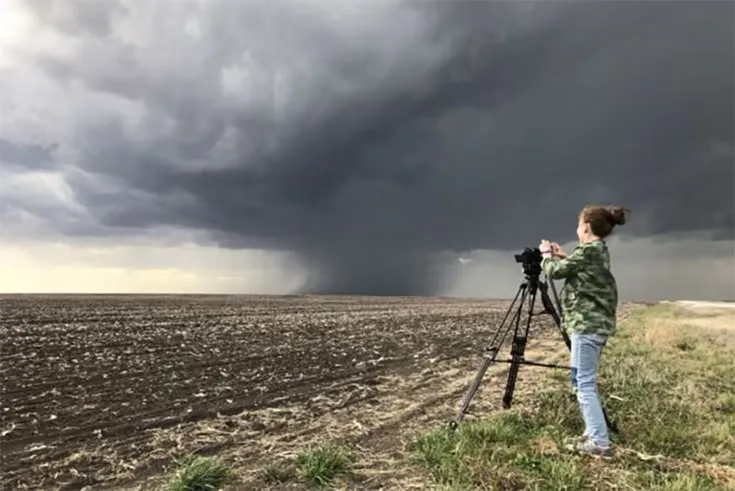
Photographs are an obvious way to remember dramatic weather, but they do not capture everything that happens during a chase. A picture may show an impressive cloud structure while leaving out the morning forecast, the route taken to reach it, or the first moment the sky began to change. Travelers planning tornado tours USA 2027 can preserve these details by keeping a simple storm-chasing journal throughout their trip.
A journal does not need to resemble a technical weather report. A few notes at different points in the day can create a surprisingly detailed record. When combined with photographs, those observations can help travelers remember not only what they saw, but how each chase unfolded.
Begin With the Morning Outlook
The start of the day provides a natural first entry. Travelers can note the general target region and what they expect from the day’s weather. There is no need to copy complicated forecast information. Recording a few simple details is enough to establish a starting point.
Later, comparing those expectations with what actually happened can become one of the most interesting parts of the journal. Weather frequently develops with its own surprises, making every entry different.
Record the Route, Not Every Mile
Storm chasing can involve substantial travel across the Plains, but documenting every highway would quickly become tedious. Instead, travelers can write down a few locations that defined the day. These might include the starting city, an important afternoon stop, the general area where storms developed, and the evening destination.
This provides geographic context without turning the journal into a driving log. It can also help when organizing photographs after returning home.
Write Down the First Noticeable Change
A useful journal does not have to wait until a mature thunderstorm appears. The first meaningful change in the sky can make an interesting entry. Perhaps small clouds began growing rapidly, the horizon darkened, or distant precipitation became visible. Recording these observations encourages travelers to notice the progression of the weather.
Over several days, the notes can reveal how differently each chase began.
Pair Notes With Photographs
Someone researching stormchasing 2028 Wichita Kansas may already plan to take plenty of photographs. Adding brief notes can give those images much more context.
A traveler could record:
-
Approximate time a photograph was taken
-
General location
-
What attracted attention to the scene
-
Changes noticed since the previous stop
-
Interesting lighting conditions
-
A memorable landscape feature
-
A question to ask later
These details are often easier to remember immediately than several weeks after the trip.
Include the Places Between Storms
A chase journal should not contain only weather observations. The road journey is a significant part of the experience and deserves its own space. A memorable meal stop, an interesting small town, an expansive stretch of farmland, or an unusual roadside view may become just as meaningful afterward.
Including these moments creates a travel journal rather than simply a list of storms. It also helps distinguish one chase day from another when several days involve extensive driving.
Capture Personal Reactions
Facts alone do not preserve how an experience felt. A few personal observations can make the journal far more interesting to revisit. Travelers might write about the first time they saw a large storm structure across an open horizon, the atmosphere during an evening lightning display, or how dramatically the landscape changed beneath approaching clouds.
These reactions do not need polished writing. Short, genuine notes often preserve memories better than lengthy descriptions created much later.
Review the Day Before Sleeping
A brief evening entry can bring everything together while the details are still fresh. Travelers can summarize the day’s most memorable weather, favorite photograph, unexpected moment, and something new they learned. This might take only a few minutes.
Reviewing the day also provides an opportunity to notice how the outcome differed from the morning expectation. Across a multi-day trip, these comparisons can become especially interesting.
Keep the Journal Simple Enough to Maintain
An elaborate system can quickly become a chore during long travel days. The best journal is one that is easy enough to use consistently. A small notebook works well, but a phone’s notes application can be equally practical. Some travelers may prefer short voice notes that they can organize later.
The format matters less than capturing meaningful details while they are still fresh.
Turn the Notes Into a Complete Trip Story
After returning home, travelers can combine journal entries with selected photographs. Arranging both chronologically creates a record that follows the journey from quiet mornings through developing storms and evening travel. This can also make sharing the experience easier. Instead of showing friends dozens of unexplained cloud photographs, travelers can provide the story behind a carefully selected group of images.
Conclusion
A storm-chasing journal preserves parts of the journey that photographs alone can miss. Forecast expectations, changing skies, locations, roadside discoveries, personal reactions, and small observations can collectively create a detailed record of each day.
Guests traveling with Storm Chasing Adventure Tours can use this simple habit to capture the broader story of their experience, turning changing weather and Great Plains travel into memories that remain meaningful long after the chase ends.

