
What “3.8g” Means and How Disposables Are Built
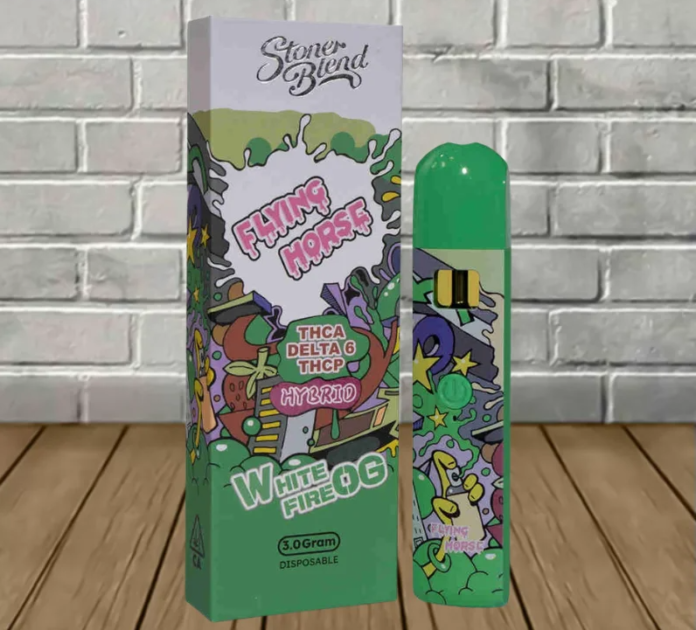
When shoppers look at a disposable vape labeled with a weight like 3.8g, it’s easy to assume it’s just about “strength.” In practice, the number refers to the volume of oil or concentrate contained in the device, which can affect how long the device may last and how concentrated the inhalable material can be. stoner blend 3.8g A stoner blend product in a 3.8g format is typically designed as a sealed, ready-to-use system rather than a refillable setup. That sealed design can reduce user handling, but it also means consumers must rely on the printed specifications and the manufacturer’s documentation for transparency.
Disposable devices also vary in how the heating system and airflow are engineered. Some use a fixed draw resistance that changes how smooth the aerosol feels, while others may emphasize stronger vapor output at the expense of harsher throat feel. Packaging often includes visible design cues—such as a slim chassis, a mouthpiece shape, and indicator labels—that help you confirm the product type you’re buying. Before deciding, verify that the product format matches what you expect for a “3.8g” disposable and that the label details align with the device you receive. If you’re evaluating a specific listing, placing the product context alongside the official page (for example, https://flyinghorsecarts.com/stoner-blend-38g) can help you compare presentation, naming, and stated specs.
Flavor Profiles, Labeling, and What Buyers Should Verify
Flavor is a major driver of buyer intent in the disposable category, but it should never be the only decision factor. Many disposable vape products use terpene or flavor-mimic blends to create recognizable profiles like fruit, dessert, or “candy” styles. The key is whether the packaging provides enough information to understand what’s being used to create those flavors—especially if the label distinguishes between cannabis-derived terpenes and added flavor ingredients. For a stoner blend style product, the “blend” wording may imply a combination of cannabinoid inputs, but consumers should still look for explicit labeling of cannabinoid composition and concentration.
Transparent labeling is where you should focus next: look for the cannabinoid list, total active content, and any stated percentages for THC and other cannabinoids. Some packages also include usage instructions, safety statements, and batch or lot identifiers. Those identifiers matter because cannabinoid content can vary across batches, and the only reliable way to confirm what’s in the product you’re holding is to review the testing information tied to that exact batch. When those details are missing or vague, it’s a signal to slow down and request more documentation from the seller or manufacturer.
Independent Testing, COAs, and Authenticity Checks
In a buyer-intent guide, the most useful step is learning how to evaluate lab testing rather than relying on marketing language. A certificate of analysis (COA) is a document that typically reports cannabinoid potency and may include results for contaminants such as residual solvents, heavy metals, pesticides, and microbial impurities. Independent laboratory testing is especially important for inhaled products because consumers want evidence that what’s been produced aligns with quality standards. Even when a brand provides COAs, you should confirm that the document is current, issued by a qualified lab, and clearly connected to the specific batch you plan to purchase.
Batch-specific verification is often overlooked, but it can be the difference between “on paper” and “in practice.” If the COA lists a different lot number than the one printed on the device or packaging, the results may not reflect your exact product. Buyers should also check whether the COA includes total THC and any other relevant cannabinoids, and whether the potency values appear consistent with the label’s stated concentration. For authenticity, compare the packaging quality, print clarity, batch/lot codes, and product naming against the official product page and any publicly shared documentation. If you’re trying to confirm details about a particular 3.8g disposable from a brand such as the one featured at https://flyinghorsecarts.com/stoner-blend-38g, use that context to cross-check what’s advertised versus what’s printed on the unit.
Risks of Inhaled Concentrates and the Importance of Responsible Buying
Disposable vapes concentrate active compounds into an inhalable aerosol, which means dosing can feel more intense than other formats. That’s not a reason to panic, but it is a reason to approach high-potency formulations with caution and informed decision-making. Higher cannabinoid concentration can increase the likelihood of unpleasant effects for some consumers, especially if they’re new to vaping or sensitive to THC. Inhaled cannabinoid products also carry general respiratory considerations, so it’s smart to avoid assuming that “flavor” equals “gentle” or that a sealed device eliminates all risk. If a product’s labeling doesn’t clearly explain cannabinoid content or doesn’t provide batch-level testing, consumers should treat it as a red flag rather than a bargain.
Responsible buyer intent also includes compliance and age restrictions. Laws vary by location, and many jurisdictions restrict sale and possession of THC products to adults or prohibit them entirely. Always follow local regulations and only purchase from licensed sellers where required. Additionally, be cautious about claims you cannot verify—such as guarantees of specific effects, “medical” language, or any promise that bypasses testing transparency. A careful approach doesn’t eliminate all uncertainty, but it helps you reduce the chance of ending up with a product that isn’t what it claims to be.
Conclusion
A strong buyer-intent plan for disposable cannabinoid vapes starts with understanding the product format, verifying labeling, and reading lab documentation tied to the exact batch. The “3.8g” format can tell you about the amount of concentrate in the device, but it doesn’t replace the need to check cannabinoid potency and testing specifics. When information is incomplete, inconsistent, or impossible to trace to batch-specific results, it’s reasonable to choose a different option. Responsible buying also means staying within local laws, respecting age restrictions, and avoiding unverified claims about ingredients, authenticity, or inhalation outcomes. With a documentation-first mindset, you can make a more informed choice in the disposable vape category—one that prioritizes clarity, transparency, and consumer awareness over hype.

