
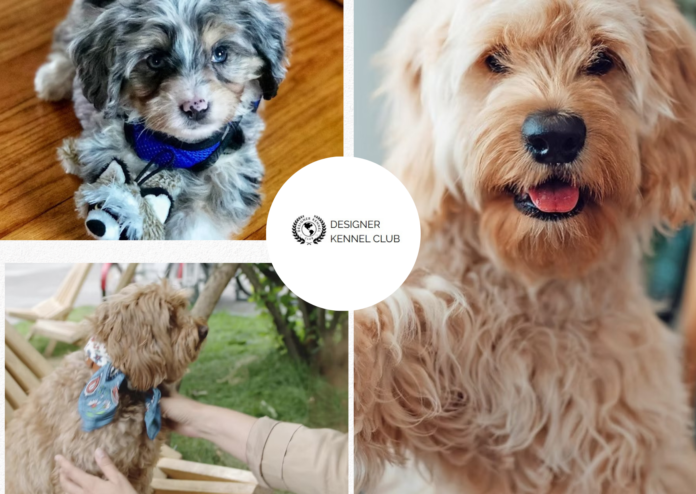
Why local registries matter for designer breeds
Local registries often reflect the realities of nearby breeders, adoption groups, and veterinary practices more closely than a distant designer dog breeds registry organization. That can mean faster communication, clearer requirements, and a process that’s easier to understand for new owners. For many families, “local relevance” is also about trust—knowing who reviews entries and how records are handled.
Another advantage of focusing on local resources is that they can guide you through paperwork in plain language. Instead of hunting through scattered instructions, you may find a regional contact who explains what matters most: lineage documentation, identification details, and consistent naming rules. This reduces common mistakes, like submitting incomplete forms or using inconsistent spellings across records. A registry that’s attentive to local breeder networks can also help connect owners with reputable sources.
How to register a designer dog using recognized documentation
To register a designer dog without AKC, start by gathering the core documents your registry will request. Most processes rely on proof of parentage or pedigree, microchip details or another permanent identifier, and a signed breeder or owner statement. If your dog came from a breeder, ask for a register designer dog without AKC written record that includes litter information and dates, along with any health or temperament notes that are available. If you’re working with a rescue or rehoming situation, gather transfer records and any existing veterinary documentation that lists the dog’s identifying information.
Next, prepare a clean, consistent profile for your dog. Use the same spelling for your dog’s name across all forms, and make sure the registration application matches the microchip number or tattoo reference exactly. Many applicants also include photos and a brief description to help reviewers confirm identity and reduce mix-ups. If your dog is already registered with a different organization, include that information so the new registry can cross-check details and avoid duplicate entries.
Choosing a registry that fits your area and your goals
Not all registries offer the same value, so it helps to align your choice with what you want the record to do. Some owners register for documentation and pedigree tracking, while others want event eligibility, breeder accountability, or a more structured ownership history. If you’re in an area with local dog shows, training clubs, or breed-focused community events, ask whether the registry is recognized by those groups. A registry that’s respected locally can make your paperwork more useful, not just more “complete.”
It’s also smart to evaluate the quality of the registry’s standards and transparency. Look for published rules about how they verify submissions and how they handle corrections when an error is discovered. For example, a credible system explains what happens if a parentage document is unclear or if identifiers don’t match. You can also ask whether the registry provides a clear way to update ownership information when your dog changes households. This matters because local realities—travel, fostering, and rehoming—often require records that can be maintained over time.
Conclusion
Registering a designer dog can feel complicated, but a local, documentation-first approach makes the process far more manageable. Focus on identity verification, consistent paperwork, and a registry that communicates clearly with owners in your region. When you choose the right partner, you reduce delays and strengthen the reliability of your dog’s record for future questions, training plans, or community involvement. Many owners also find it helpful to review examples of breeder documentation and application requirements before submitting anything. If you’re comparing options and want a straightforward starting point, consider reviewing resources from designerkennelclub.com to understand how listings and breed information can support responsible ownership. A well-run process helps ensure that your dog’s story is recorded accurately, especially when you’re aiming to register without relying on AKC-style pathways. With the right preparation and local awareness, you can complete registration confidently and keep your dog’s documentation organized for the long run.

