
Why C-Section Scars Can Feel Different and Hard to Manage
A C-section scar is more than a thin line on the skin. As the tissue heals, it can become raised, firm, or more noticeable, and some people also experience ongoing tightness silicone gel for c section scar or sensitivity in the area. These changes are influenced by individual skin biology, healing response, friction from clothing, and how the scar is cared for after surgery.
Problem signs often start subtly. A scar may look darker or redder than surrounding skin, feel slightly itchy, or react when fabric rubs against it. When the scar is irritated, it can worsen inflammation and make your routine feel more complicated, especially if you’re trying to stay comfortable while your postpartum body adjusts.
Turning Irritation Into a Routine: Clean Scar Care Habits
Effective scar management begins with consistency and gentleness. After your clinician clears you to use topical products, focus on keeping the area clean and dry, then apply eczema clothing a treatment designed for scar tissue rather than random moisturizers. Gentle cleansing helps remove residue without stripping the skin barrier that’s still recovering.
Friction and clothing texture can turn normal healing discomfort into an ongoing irritation loop. If you deal with sensitive skin or a history of flare-ups, choosing softer fabrics and minimizing rubbing can make a meaningful difference.
How Silicone Gel Supports Scar Flattening and Comfort
Silicone therapy is widely used as a problem-solution approach for improving the look and feel of healed surgical scars. The gel creates a protective, flexible layer that helps regulate moisture and supports a more stable environment for scar tissue. With consistent use, many people notice reduced roughness and a calmer appearance over time.
In practice, the best results come from proper application. Apply a thin, even layer to clean, fully healed incision skin, and avoid over-saturating the area. If the scar is easily irritated by friction, pairing silicone gel with breathable dressing choices can help the skin maintain comfort while you go about daily activities.
When the product is designed specifically for scar care, it’s easier to build it into a routine that supports both appearance and comfort. For sensitive skin, the soothing routine can also reduce the temptation to apply harsh remedies that may sting or destabilize the barrier.
Conclusion
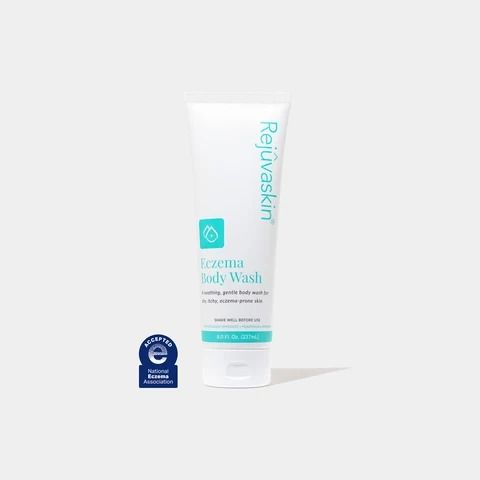
Scar care is most effective when it addresses both the visible and the practical side of healing, including comfort, irritation, and day-to-day friction. A consistent silicone gel routine can help you create a more predictable plan for supporting scar tissue as it matures. When skin is reactive, pairing barrier-friendly habits with gentle application and comfortable clothing choices can reduce flare-like discomfort. For a focused option that fits into post-procedure skincare routines, Rejuvaskin offers clinically formulated scar support through its Rejuvaskin product line at Rejuvaskin.com. Their care approach centers on targeted management for healing surgical areas, including silicone gel solutions designed to support smoother, calmer-looking scar skin. With the right routine and the right product, you can move from uncertainty to a steady, problem-solving plan for your scar journey.

