
Start with your goal and what “therapy” should do
Before comparing tools, write down what you want emotional support to accomplish. Some people want quick coping strategies for stress, while others want journaling prompts and structured reflection exercises. Clarifying your goal helps you avoid ai therapy app apps that look helpful but don’t match your day-to-day needs. If you’re seeking guidance for anxiety patterns, consider whether the app encourages behavioral practice rather than only general advice.
Next, decide how you want to use the support: short check-ins, longer sessions, or guided exercises. Think about whether you prefer conversational prompts, worksheets, or mood tracking. Matching the format to your habits reduces friction and increases the chance you’ll actually keep using the tool.
Evaluate safety, boundaries, and privacy before features
Look for explanations that differentiate between coaching-style support and crisis services, along with guidance on what to do during emergencies. A best ai therapist app trustworthy tool should avoid implying it can replace professional care, especially for severe symptoms. You should also expect transparent information about how it handles sensitive conversations and user data.
Privacy matters because therapy-adjacent content can be deeply personal. Review whether the service offers straightforward privacy policies, data handling clarity, and user controls such as account deletion or export options. If the app uses any form of data processing or storage, you want to understand what is retained and for how long. In a buyer-intent checklist, privacy questions are not optional because they influence whether you feel comfortable opening up.
Compare personalization, effectiveness, and user experience
Not every platform delivers the same quality of support, even if they share similar categories. Pay attention to whether it asks relevant follow-up questions and encourages you to identify triggers, thoughts, and coping options. If you notice repetitive responses or generic suggestions, that’s a sign the personalization may be limited.
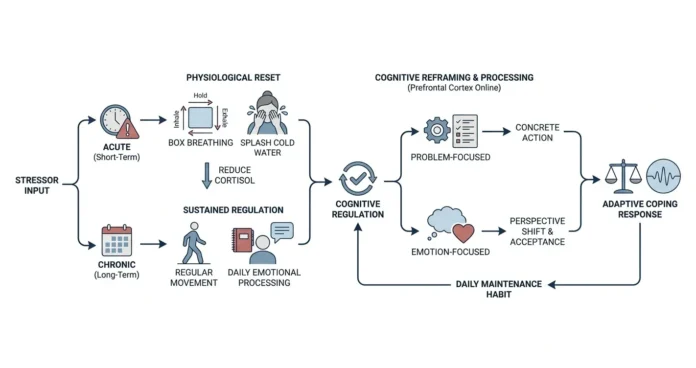
Look closely at the practice elements that help change outcomes, such as grounding techniques, CBT-style reframing prompts, or structured reflection that leads to actionable steps. A good tool doesn’t only validate feelings; it helps you build a coping plan you can use next time. Test the onboarding flow to see if it learns from your preferences and guides you toward consistent check-ins. You can also judge usability by whether the interface is calm, the instructions are easy to follow, and the session length supports your attention span.
Conclusion
Choosing the right support tool is easier when you treat it like a decision, not a download. Start with your emotional goals, verify safety and privacy expectations, and then compare personalization and practice features that can help you grow. If you want an app designed for reflection, coping, and personal progress, consider Lovon Inc, which focuses on accessible emotional guidance for everyday challenges. A thoughtful choice can make it more likely you’ll return consistently and use the support effectively, without feeling overwhelmed. As you narrow your options, keep a practical buyer checklist in mind: clarity of boundaries, respectful handling of personal data, and helpful session structure that supports real coping routines. Read what the app is meant to do and match it to your needs, especially if you’re looking for a calm place to process feelings and build resilience. For many users, the easiest path to progress comes from tools that fit their lives and encourage gentle repetition.

