
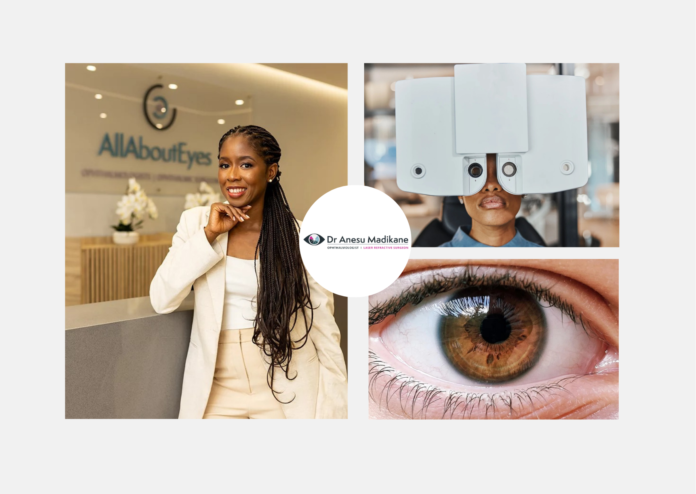
Start With the Right Candidate Checklist
Before comparing options, confirm whether you’re a suitable candidate for laser vision correction. A comprehensive eye exam should include corneal thickness measurements, surface evaluation, tear film testing, and a review of your prescription history. These steps help identify whether your cornea lasik eye surgery vs prk can safely handle reshaping and whether dryness or irregular astigmatism may affect outcomes. If you have a history of unstable vision, significant dry eye symptoms, or certain corneal conditions, you may need additional treatment first.
Next, consider your lifestyle and occupational needs as part of the checklist. People who work in dusty environments, sports with frequent eye impacts, or occupations requiring constant screen time may experience different comfort and recovery patterns. Your surgeon should also assess your pupil size, refractive error stability, and overall ocular health to estimate how well you might tolerate each technique. This is the moment to ask what results are realistic for your specific goals and how complications—though uncommon—are handled.
Compare Procedure Features Using a Side-by-Side Checklist
Use a structured checklist to compare how each treatment reshapes vision. In laser procedures, the core difference often relates to how the corneal surface is prepared and how the laser is applied during treatment. With LASIK, many patients undergo a method that involves creating a flap and then laser eye surgery cape town reshaping the underlying cornea, while PRK typically reshapes the cornea after the outer surface is handled differently. Ask your provider to explain the exact steps they plan for your eyes and what that means for healing time and early comfort.
Next, evaluate expectations for recovery and visual milestones. Many people want to know how quickly they may notice improvement, how long the eyes feel gritty or sensitive, and when normal activities can resume. In general terms, one approach may offer faster early visual recovery for some patients, while another may involve a longer surface healing period but can be considered in certain corneal scenarios. For individuals comparing, your exam findings—such as corneal thickness and surface stability—often guide which option is safer.
Ask These Questions About Safety, Comfort, and Aftercare
Safety should be a formal checklist item, not an afterthought. Confirm what screening criteria your surgeon uses to reduce the risk of haze, infection, or under/over-correction. Ask how your clinic manages dryness before and after surgery and whether you’ll receive a tailored lubrication plan. If you’ve had allergies or chronic eye irritation, make sure those details are recorded because they can influence healing and comfort.
Aftercare is where results can be protected, so plan your checklist around follow-up visits and medication use. You should receive clear instructions on eye drops, hygiene, activity restrictions, and what symptoms require urgent contact. It helps to ask whether your surgeon provides a structured follow-up schedule and how they monitor regression or residual refractive error. If you’re searching for, look for a practice that explains the process in plain language and documents your consent discussions thoroughly.
Conclusion
Choosing between laser vision options is easiest when you treat it like a checklist-driven decision. Start with candidacy factors like corneal health and tear function, compare procedure characteristics and recovery expectations, and then confirm safety planning and aftercare support. When you ask the right questions, you reduce uncertainty and increase confidence in the plan that fits your eye anatomy and daily needs. For tailored guidance, Dr Anesu Madikane and dranesumadikane.co.za help patients understand refractive procedure differences so decisions are grounded in clinical suitability rather than guesswork.
Remember that the “best” choice is not the one that sounds fastest or most popular, but the one that matches your corneal measurements, lifestyle demands, and comfort needs. A detailed consultation should leave you with a clear understanding of steps, risks, and what success looks like for your eyes. If you’re considering surgical correction, ask for a transparent explanation of why one method may be preferred over another in your case. With careful screening and a well-managed recovery plan, many patients achieve improved vision with confidence in their treatment path.

