
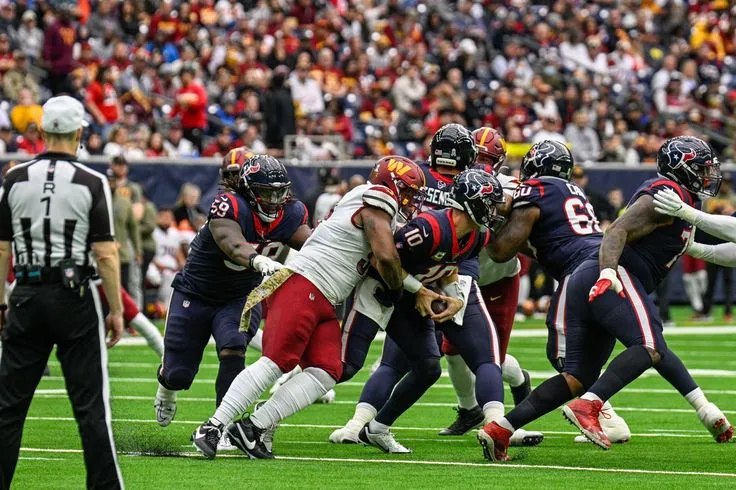
American football can look crowded and confusing to a new fan. Twenty-two players are on the field for a normal snap, several move at once, and television coverage often follows the ball rather than the assignments developing around it. The easiest way to understand the action is to stop trying to memorize everything at once.
A better approach is to learn the game in layers. Start with the basic job of each unit, then learn the major positions, and finally connect those positions to formations, personnel packages, and play concepts.
First Understand the Three Units
Every team is divided into offense, defense, and special teams. The offense controls the ball and attempts to advance it or score. The defense tries to stop that progress and regain possession. Special teams handles kicking situations such as punts, field goals, kickoffs, and returns.
This three-unit framework gives beginners an immediate way to organize what they see. Instead of viewing 22 unrelated players, they can identify which side has possession and what each unit is trying to accomplish.
Learn Positions by Responsibility
Position names become easier to remember when they are connected to a job. The quarterback directs the offense and usually distributes the ball. Running backs carry, receive, and help in pass protection. Wide receivers create receiving threats. Tight ends combine receiving and blocking duties, while offensive linemen work together to protect the quarterback and create running lanes.
A guide built around Football Positions Explained can also clarify the defense. Defensive linemen attack gaps and blockers, linebackers support the run and coverage, cornerbacks usually work against receivers, and safeties often provide deeper coverage and communication.
Do Not Confuse Position With Alignment
A common beginner mistake is assuming that a player’s position tells you exactly where that player must stand. Modern football is much more flexible. A tight end may line up next to an offensive tackle, in the slot, outside like a wide receiver, or even in the backfield.
Defenders move around as well. A safety can align deep on one snap and closer to the line on the next. An edge defender may look like a defensive end in one scheme and an outside linebacker in another. The label describes the player’s general role, not a fixed spot on the field.
Add Personnel and Formation Next
Once the positions make sense, the next layer is learning who is on the field and where they line up. Personnel describes the types of skill players being used. Formation describes their pre-snap arrangement.
For example, an offense may use one running back, one tight end, and three wide receivers. Those same players can be arranged in several different formations. Learning this distinction helps beginners understand why the offense can change its appearance without substituting.
Watch One Position at a Time
Trying to follow every assignment on every snap is unrealistic. A better study method is to choose one position group for a series. Watch the offensive line on a running play. On another series, follow the safeties before and after the snap. Later, focus on how a receiver’s route changes a defender’s movement.
This method reveals details that disappear when attention stays only on the ball. It also makes replays more useful because each viewing can answer a specific question.
Build Strategy Knowledge in a Logical Order
People who want to Learn Football Strategy for Beginners should resist jumping immediately into complicated coverage terminology or advanced quarterback reads. Fundamentals make those subjects much easier later.
A sensible sequence is rules and field position first, player roles second, then personnel and formations. From there, learners can move into running concepts, passing concepts, protections, defensive fronts, man and zone coverage, and eventually full defensive reads.
Why Context Matters More Than Memorization
Football terminology is useful, but memorizing vocabulary does not automatically create understanding. Knowing the definition of a cornerback matters less than recognizing why a cornerback is aligned inside or outside a receiver in a particular situation.
The same principle applies across the game. A position becomes meaningful when you can connect it to spacing, leverage, assignments, and the opponent’s response.
Conclusion
The fastest route to better football understanding is not learning hundreds of terms at once. It is building a mental map of the game. Start with offense, defense, and special teams. Learn the major positions and their responsibilities. Then connect those positions to personnel, formation, and play design.
With that foundation, broadcasts become easier to follow and strategy discussions become far less intimidating. Instead of seeing a crowd of players chasing the ball, a beginner starts seeing coordinated roles working together on every snap.

