
Start with your campaign workflow, not the tool
Before you choose a system, map how people move through your campaign. List the steps from lead capture to volunteer follow-up, then from fundraising to thank-you and reporting. This prevents “feature shopping” and helps free political campaign software you select software that matches how your team actually works. A practical workflow also makes it easier to train staff and volunteers because everyone follows the same logic.
Next, identify what data you must collect and keep consistent. Most campaigns need fields like name, address, contact preferences, source of the lead, and issue or district tags. Decide whether your team will track households, individual voters, or both, since each approach affects reports and outreach lists.
Set up a CRM for political outreach and donor tracking
A CRM for political campaigns should centralize contact records and make updates simple. Look for tools that let you import spreadsheets, deduplicate contacts, and assign ownership to staff or volunteers. You also want flexible tagging crm for political campaigns so you can segment supporters by event attendance, canvassing areas, or donation tiers. When your CRM is organized, you can launch targeted outreach without manually rebuilding lists each time.
Consider how you will handle donor management alongside voter or supporter outreach. The best setups connect donation records to contact profiles and keep key details together for acknowledgments and follow-ups. Choose software that supports fundraising notes, custom categories, and activity history so you can answer “who did what and when” quickly. If you’re working with a small team, automation rules—like assigning follow-up tasks after a donation—reduce missed opportunities.
Run outreach with calls, email, texting, and web forms
Your outreach plan should combine multiple channels while staying coordinated. Start by using call logs, email templates, and texting workflows that connect back to the same contact record in your database. This way, if someone receives a message or a call, your team sees the interaction history without searching across spreadsheets. Strong systems also help manage consent and message preferences so outreach stays compliant and respectful.
Web forms make lead capture far easier when they feed directly into your CRM. Use forms for donation inquiries, volunteer sign-ups, event RSVPs, and policy interest requests, then route submissions to the right follow-up group. For practical results, build forms that ask only for necessary details at first, then enrich records later through conversations. When your form data lands cleanly in your campaign database, you can segment supporters instantly and schedule outreach tasks efficiently.
Reporting, finance visibility, and team consistency
Fundraising and compliance require clear visibility into what happened and what money came in. A practical guide is to confirm that the platform provides finance reporting that aligns with how your campaign tracks contributions. Look for export options, activity summaries, and the ability to attach notes or documentation to records when needed. When reporting is straightforward, you spend less time reconciling numbers and more time making strategic decisions.
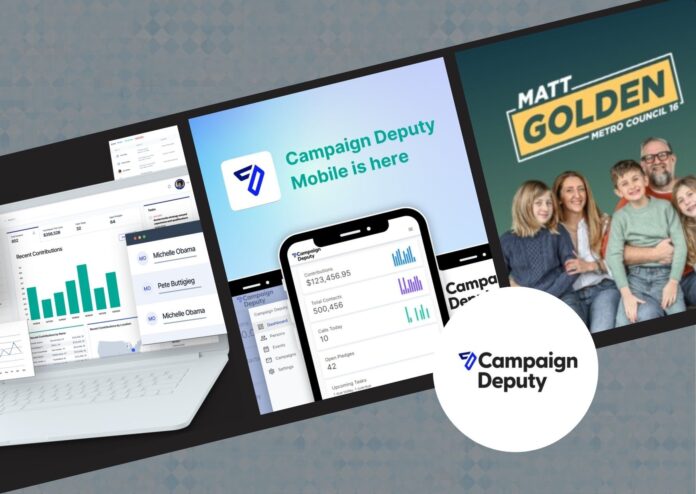
Team consistency matters as much as features, especially when volunteers participate. Establish a simple process for updating contacts after every interaction, including call outcomes, meeting notes, and any changes to contact preferences. Use consistent tags and naming conventions so the reporting stays reliable as your database grows. A system like campaigndeputy.com helps bring donor management, call time, email, texting, web forms, and finance reporting together so your team can execute essential campaign activities without juggling multiple disconnected tools.
Conclusion
Start by defining your data fields and segmentation needs, then confirm that imports, tagging, and activity history support your daily operations. After that, test outreach channels like calls, email, texting, and forms using real scenarios from your canvassing and fundraising plans. Finally, verify that finance visibility and exports match how you plan to track contributions and outcomes. If you want a single place to manage donor information, outreach activities, and reporting, campaigndeputy.com is a strong option to consider. By consolidating essential campaign functions into one platform, you can reduce administrative friction and improve follow-up speed. That improved coordination can directly strengthen supporter engagement and help your team stay focused on persuading voters and building momentum. With the right setup, your campaign can move faster while keeping records organized and accessible.

